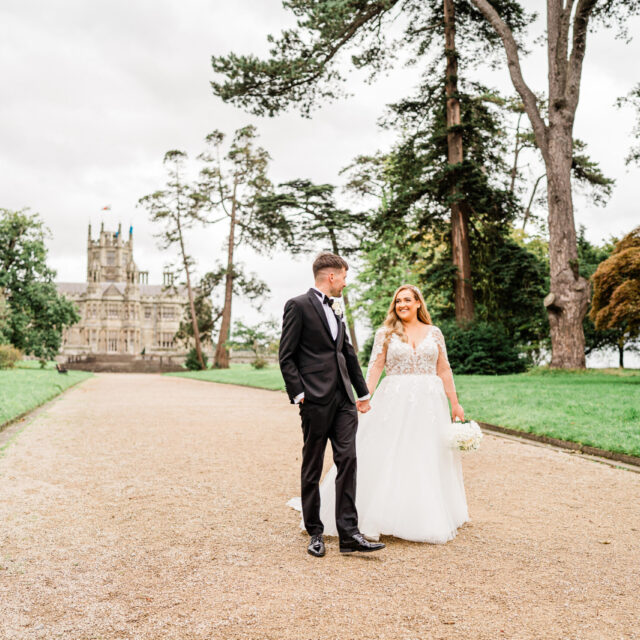
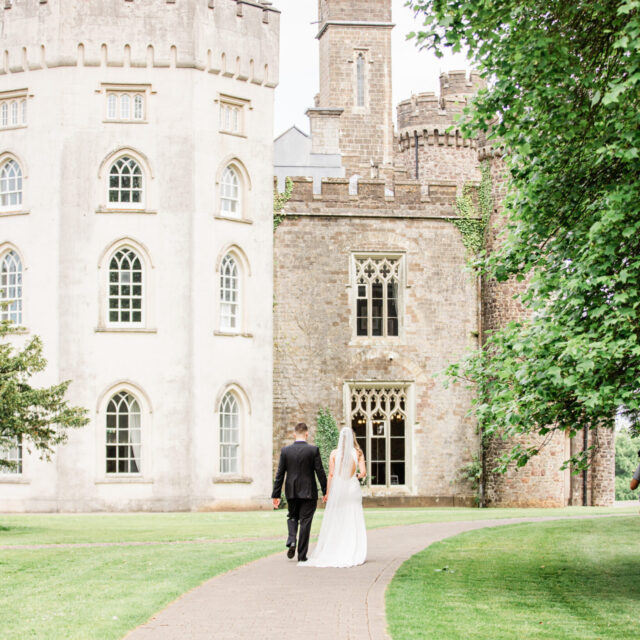
You said YES!
...now what?!
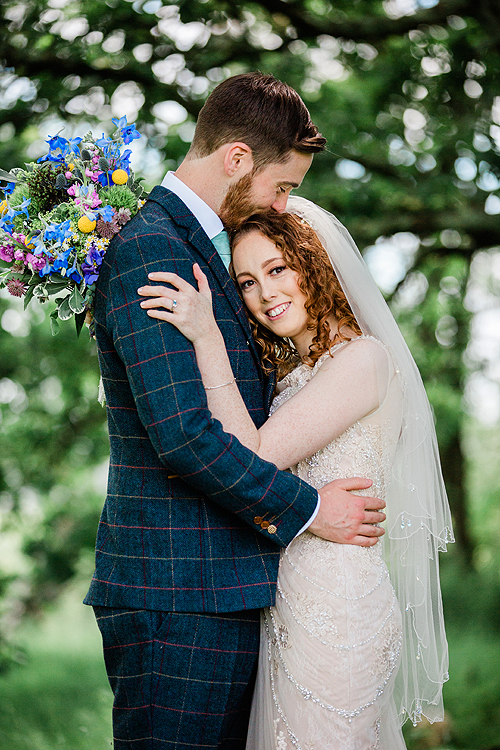
No Stress Wedding Planning
Planning a wedding can feel overwhelming and a little scary, but we are here to help you find the fun and enjoyment in the process by giving you a little insight into the process, as well as tips and tricks to help you on your way
In this guide, you will find useful information about the wedding planning process, the best tips and tricks I've picked up over 13 years in the wedding industry, and a list of the best businesses in the industry I've worked with so you know you can trust them
Choosing a date
Even if you don't have a particular date in mind, deciding on a time of year to get married is a big first step. Each season can provide you with a completely different experience of your wedding day
Spring
Beautiful flora will be the perfect backdrop to your photographs! Slightly longer days and usually quite pleasant weather
Summer
Undeniably the most popular time of year for weddings, especially during school holidays. One huge benefit is the better weather, as well as longer days so more sunlight for outdoor photos.
Autumn
Gorgeous autumnal colours for your photos (my favourite!), quieter season for weddings so may get more choice of available suppliers and even special offers
Winter
Out of season, weather can be a bit less predictable but still absolutely gorgeous! Just be careful of shorter days, even more so if you're planning a later ceremony! It can be dark by 4pm making any formal photos much more difficult or rushed. Be sure to discuss this with your photographer to come up with a plan
Venue & photographer, without a doubt! Venues book up quickly, and many photographers only take on a limited number of weddings per week/month, reducing their availability greatly. They are also the biggest spends for most couples, so it's great to get them out of the way.
Once you have the venue and photographer sorted, move on to all the super important parts of your wedding day, including attire, decorations, flowers and hair/make up.
Different Types of Weddings

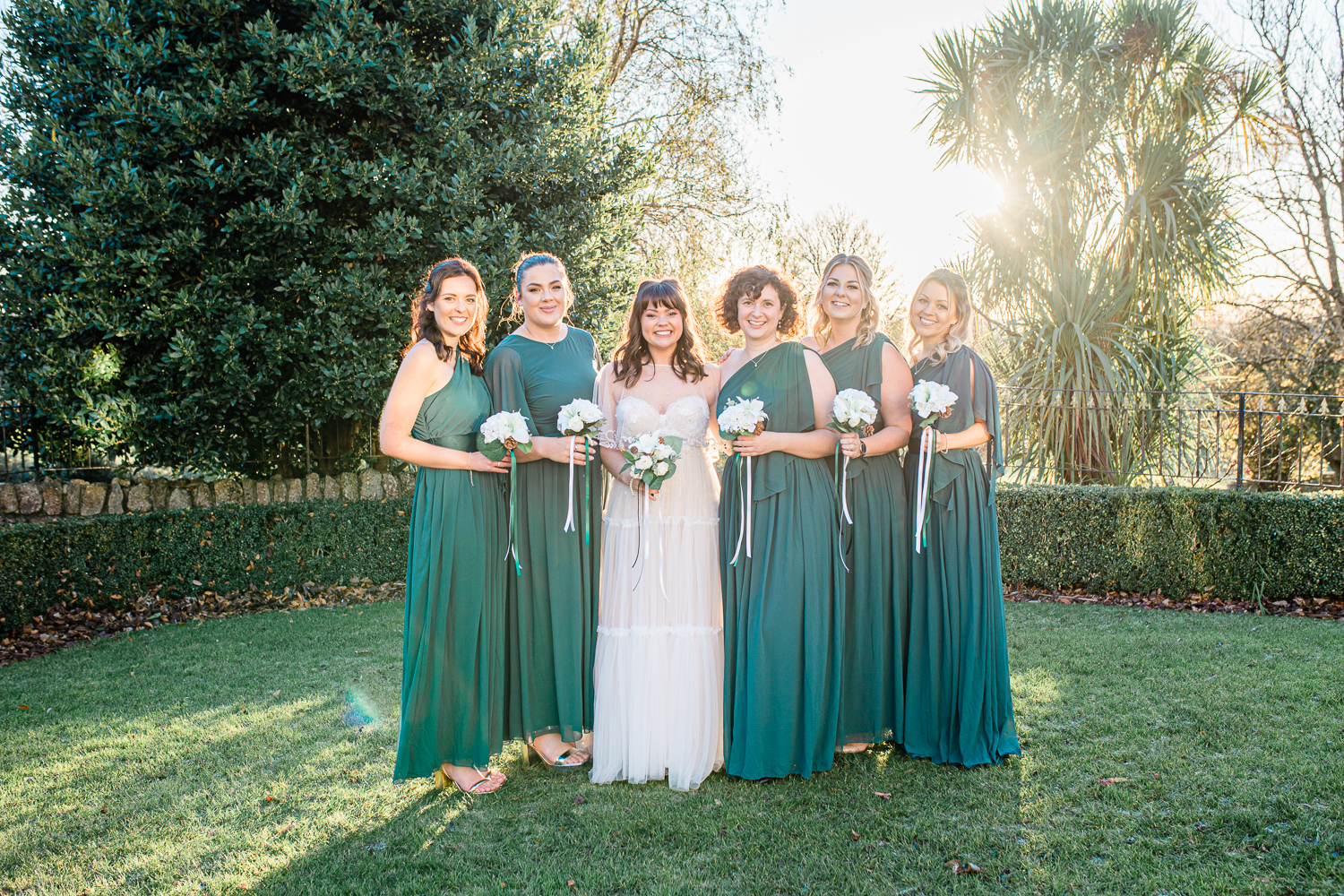
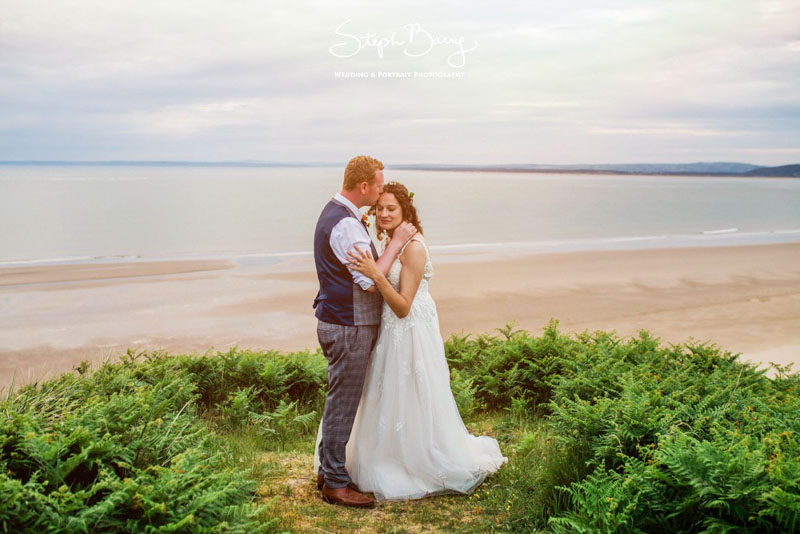
Elopements
Traditional Weddings
Smaller weddings have become incredibly popular since 2020, with loads of couples opting for a small ceremony and meal with their very nearest family & friends. Micro weddings are 20 guests or less, and couples put the emphasis on celebrating in their own way. Most couples still have their day documented by a professional photographer, including formal photographs, however a part day package of either 2 or 4 hours is usually plenty
The most popular wedding option by far, with ceremony and reception, with an average of 80 day guests and 100 evening guests.
If you want to forgo the entire idea of a wedding, why not elope? Just you and your beloved, a registry office, city hall or even celebrant on a cliff top. Dress up or don't, have a professional photographer to capture the moment, and then surprise your family and friends with a marriage announcement
Top Tip: Wedding Insurance is not a luxury!
Anything can happen, unfortunately. An insurance policy is a small price to pay for peace of mind and security
Remember that deposits for wedding services are very often non-refundable, regardless of the circumstances should you need to cancel
There are so many wedding photographers out there, so how do you know which one is perfect for you?
I've put together this simple guide that will hopefully help guide you to the right photographer. Not every photographer is right for every couple, and not every couple is right for every photographer, so it's a case of narrowing down who will provide you with not only the images that you want, but also the approach and service that you desire
1. Budget - work out a soft budget (that's the amount you ideally want to spend on a photographer) and a hard budget (your absolute limit) Prices vary a lot, with some part time and less experienced photographers charging £500, and experienced professionals charging £1500+. If your budget is limited, ask about part day packages - you will likely be able to get the best photographer for a shorter amount of time within your budget
2. Editing Style - Each photographer has their own editing style, and you should only choose someone whose style matches what you're looking for. Don't choose a photographer but then ask them to change the way they edit so that you can get photos in a different style. Some photographers edit with natural colours, others love muted colours, orange glows or harsh contrast. If you don't like the way their work is edited on their website then it's a sign to move on
3. Shooting Style - Do they like to shoot so everything in in focus, or so there's lots of background/foreground blur? Are all of their images pin sharp or do they prefer intentional blur and motion?
4. Approach - One of the most important things for me is how a photographer goes about shooting your wedding day, because if this is mismatched with the couple's expectations then it can lead to a lot of disappointment on the day. Ask your photographer what their approach is. Do they like to blend in as a guest and capture it entirely naturally, do they ask you and your guests to pose, or somewhere inbetween? Are they quiet and observant, or are they loud and bossy? Neither approach is wrong, and I've been passed over for weddings before because I'm not what the couple wanted, but that makes me glad! Because I would hate to find them disappointed on the day that I'm not loudly bossing everyone around and making them and their guests pose for photos all day long. That's not my style, and it matches the expectations of the right couples
5. Ask to see a full gallery - Not just the highlights or best photos, a full wedding. Any decent wedding photographer will have a selection of full galleries that they will gladly show you, so that you can see every single photo delivered from a wedding and give you a full picture of what to expect from them.
6. Full time vs Part time - it's true that you do pay more for a wedding photographer who does this full time, compared to someone who just shoots weddings on the side of their full time job. The added bonus is that we are fully dedicated to our work, never have to be concerned about getting time off work for weddings or being backlogged with editing because we have limited free time. Those of us who run our businesses as our sole source of income throw ourselves into our work and invest in ongoing education, cameras and lenses and work exceptionally hard because let's face it, we have no alternative!
7. Someone you get on with - I cannot stress how important it is that you actually get on with your wedding photographer! You will be spending your wedding day with this person, they will be entrusted with the most precious memories so it really must be someone you like and feel you have trust in.
8. Don't be upset if they say no - as much as you must feel that the photographer is the right fit for you, your photographer must also feel that you are a right fit for them. Occasionally, photographers may decide not to proceed with a booking if they don't feel that they are the right fit for you.